A social enterprise helping people on the autistic spectrum and the people around them.


Blog
4 Conversation techniques to add to your social script
Posted: 10 months ago
Many autistic people create for themselves a 'social script' to help them know how to interact in social situations. A social script is a guide for planning what to do and say inside a social setting.
The Girl With The Curly Hair uses a social script whenever she meets up with her friends. Specifically, she uses 4 conversation techniques:
4 golden rules for managing sensations
Posted: July 15, 2016
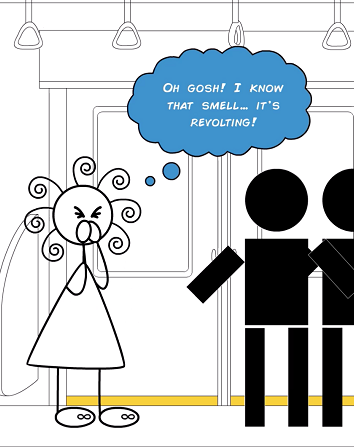
Having suffered an injury, I've had frequent hospital appointments! That's the inspiration for this blog article. For someone like me who has hypersensitivity, even 'normal' sensations can be extremely uncomfortable. Sounds such as fire alarm tests, sirens, drilling, hammering, the doorbell ringing and lorries driving past are things that can happen every day yet they don't overly bother most people. I personally hate the sounds of live music, instruments, singing and clapping as well, whereas many people enjoy those sounds. Nobody likes the smell of garbage or sewage but - again - people seem to get over them quickly. Feelings such as combing your hair or wearing certain items of clothing can be uncomfortable to some people but not overly so.Negative reactions to the autism label
Posted: July 10, 2016
‘Roxanne (29, ASD) has a group training session that would help her to find a job. During the training, her fellow trainees start to talk amongst themselves. The chatter becomes very loud and affects Roxanne greatly. She decides to leave the room for a while. She finds a quiet place to relax for a little… Join The Curly Hair Project Community Today This article and our podcasts are available only to members of our community. If you would like to continue to read this artic…
Autistic personas
Posted: July 4, 2016
When I see people, I tend to meet them under one or two scenarios: When my social energy is high When I am masking The problem with this is that neither of these 'appearances' are the truest version of me, which means the people I meet see a sort of 'persona'. This has several consequences, which I will talk about further down. First, let's look at those two scenarios:Limitations of the diagnosis process
Posted: June 25, 2016
ASD is a very disabling condition, yet on the outside people can look very competent. Not only may people appear competent on the outside, but the answers they give in their assessments and the way they've been brought up can also contribute to difficulties in diagnosing. It's common for others (including professionals) to disbelieve an individual could have ASD, even after they've been diagnosed. This article looks at some limitations to diagnosis and acceptance, facing people who potentially have ASD.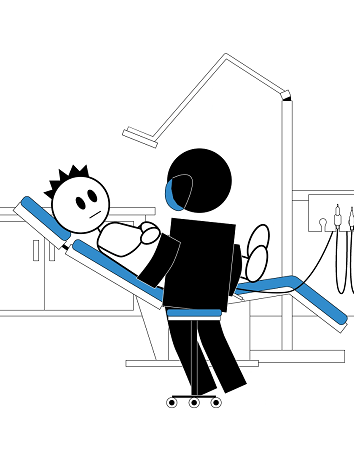
The dangers of hyposensitivity
Posted: June 10, 2016
Hypo (under) sensitivity means being under sensitive to the environment (for example, sound, touch and light, etc.). If you are under sensitive to something, that means your brain is not responding to the stimulus - even if your physical body is. Some people with ASD experience hyposensitivity - although from what I've read, it appears that hyper (over) sensitivity may be more common. Only after really thinking about this subject did I realise that hyposensitivity can be very dangerous. This article looks at why, gives some examples, and suggests some helpful strategies to deal with hyposensitivity.10 personal strategies for dealing with anxiety
Posted: May 28, 2016
The 10 bits of advice listed below have changed my life. These are the things I personally do every single day/throughout the day. As a result - generally - my anxiety day to day is under control and I am able to live the way I want to and do the things I want to do. There is a lot of advice already available about dealing with anxiety, but much of that won't be overly helpful for people on the autism spectrum. I wanted to share my personal strategies with you because I hope they may be useful to you too. 1. Finding out lots of information so I know what to expect I need to know what is going on pretty much all of the time. In situations that I don't have a lot of control over (for example, when I'm out of the house, shopping, at work, at a social gathering...), I prefer to know as much as possible about "who-what-where-why-when-how." When I have this information, I can use it to decide whether or not I will participate. If it sounds manageable, I'll be more inclined to participate and enjoy it. If it doesn't sound manageable, I'll decline and probably end up avoiding the likely outcome which would be a meltdown/shutdown. Knowledge is power, as they say. Having lots of information about something before I agree or disagree to participate makes me feel like I have a bit of control. That sense of control is very important.Meltdowns in public – what to do?
Posted: May 1, 2016
Meltdowns are quite common for people with autism. They are not exclusive to children, even adults can have meltdowns. Depending on coping mechanisms and the individual themselves, a meltdown for one person will look different to another. A meltdown can include: hitting, crying, shouting, being verbally aggressive… etc. Recognising a meltdown in public isn’t always… Join The Curly Hair Project Community Today This article and our podcasts are available only t…