A social enterprise helping people on the autistic spectrum and the people around them.


Blog
4 Conversation techniques to add to your social script
Posted: 12 months ago
Many autistic people create for themselves a 'social script' to help them know how to interact in social situations. A social script is a guide for planning what to do and say inside a social setting.
The Girl With The Curly Hair uses a social script whenever she meets up with her friends. Specifically, she uses 4 conversation techniques:
Helping teenagers to improve self confidence
Posted: March 7, 2017
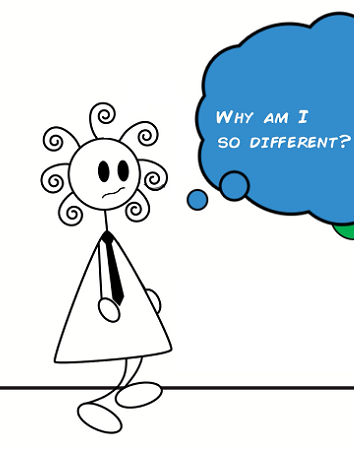
Many people with autism also have mental health problems, which include: low mood, anxiety, loneliness and a lack of self-confidence. The teenage years are arguably some of the toughest years for everyone, so here are a few suggestions to help teenagers with ASD feel more confident. These are some of the things I wish my parents, friends and teachers had done and said to help me. I've written it for parents but it could be for anyone who cares about someone with ASD:10 tips to combat sleep problems in autism
Posted: February 15, 2017
In my experience, sleep problems are particularly common for people with autism. Here are my top 10 tips that may help improve you or your loved one's sleep. 1. Ensure a comfortable sensory environment Here are some possible solutions for someone who is undersensitive (sensory seeking):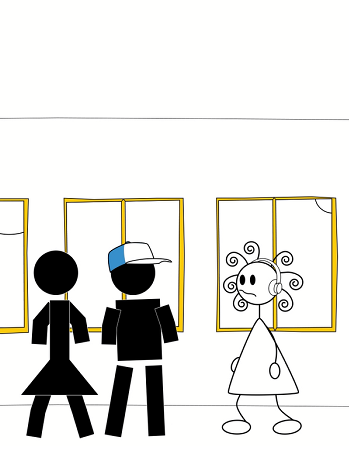
The impact of feelings and thoughts on behaviour
Posted: February 3, 2017
The thoughts we have and the emotions we feel influence the way we behave (CBT model). I would like to look at this in more detail, focusing on people who are on the autistic spectrum. Thoughts I think the four most common types of thought in ASD are: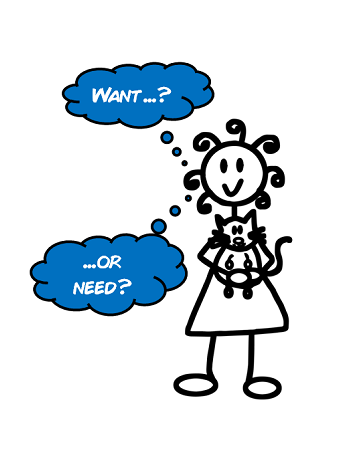
Difficulties and triggers vs likes and needs
Posted: January 27, 2017
One of the most helpful things about knowing I am autistic, is gaining understanding of things that help me and things that hinder me. Once I understood what are my difficulties and triggers, and my likes and needs (specifically, the things that make me gain social energy), I became aware of my limitations and was able to adjust my lifestyle. There are a lot of things I can do, but I don't (or I won't) do them. This is the way I live. It enables me to live a happy life and I achieve a lot of things. For me, putting limits on my lifestyle has been very enabling. In this article, I wanted to show why limitations can actually be a good thing.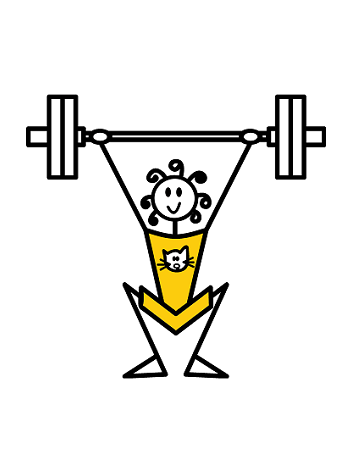
Doing the same thing over and over again
Posted: January 14, 2017
I have a little theory which I want to write out! I've been thinking about how I experience pleasure. A friend said to me, "I like doing something for the first time, it feels so fresh and is the most enjoyable." It was an interesting statement and I challenged it. I said, "What about after the first time? Does something get less enjoyable the more times you do it?" He said, "Yes, sort of. The first time is always the best." My reaction to this was: "That's a shame. The number of times I do something has no effect on how much or how little I enjoy it. In fact, if I like something, I will enjoy it just as much as I did the first time." He said, "I love that about you."
Autistic responses to pain
Posted: January 7, 2017
Pain is a common cause of challenging behaviour in people with ASD. People on the autistic spectrum may have difficulty communicating that they are in pain, and instead show this by becoming agitated or challenging in their behaviour. People around them may be completely unaware of their pain, instead assuming that they are being difficult or naughty. There are 3 aspects to pain response I'd like to discuss: Pain experience Pain response Pain communication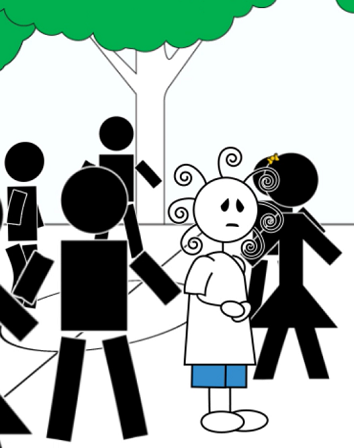
Are you being bullied?
Posted: December 30, 2016
If a person is hypersensitive, it means they might react strongly to things that would not bother other people. Hypersensitivity can refer not only to physical sensations such as touch and sound, but also to emotions. People who are emotionally sensitive are prone to being upset by the words and actions of others. For people on the autistic spectrum however, there is an additional challenge which is being unable to work out the motives and perspectives of others (theory of mind).
Changing relationships pre- and post-diagnosis
Posted: December 22, 2016
An awkward scenario I find myself in is when I come in contact with someone who knew me before my diagnosis. Last year I met up with an old classmate, who I had not been in touch with since university. When discussing what we'd been up to, I mentioned the curly hair project, and of course this led to further questions... eventually with me disclosing that I'd been diagnosed as autistic some time after the end of my degree. The young man's response was something like "Oh... ok."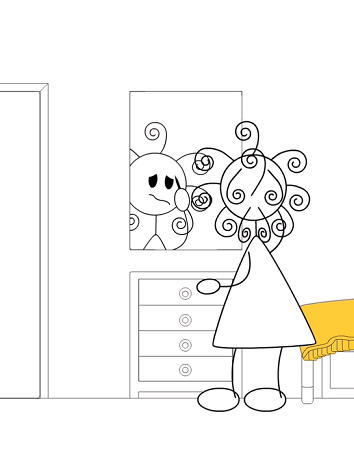
Consequences of masking
Posted: November 30, 2016
When you learn about autism, you will probably have come across a term known as 'masking.' It is sometimes hard to describe exactly what masking is, but I will do it in my own way here. What is masking? Masking is the term used to describe hiding autistic traits. For some people at some points in their life, masking will be intentional, conscious behaviours. For others - especially younger girls I imagine - they may not even realise they are doing it. For me, it was only after I started learning about autism that I realised that I had spent a large proportion of my life masking. Before this, I hadn't really been aware I was doing it. Masking means that people will not see on the outside that an individual is autistic. There are many simple examples of masking, such as: