Children on the autism spectrum often exhibit ‘challenging behaviour’ that is misunderstood by others.
In particular, if a child has not been diagnosed with autism, they may have unmet needs. It is these unmet needs that are often the cause of their challenging behaviour.
One of the benefits of obtaining an autism diagnosis is that it can help loved ones understand their child’s needs and be able to meet them. Once their needs are understood, in a loving family, the child’s behaviour may improve significantly. Autistic children may have the following experiences:
The child experiences sensory distress
Autistic children may be extremely sensitive to sound, smell, light, taste and touch. This is because they have sensory processing impairments. If a child is feeling physically uncomfortable – they might even be in pain – this can cause them to behave in a challenging way.
Autistic children often need lots of peace and quiet regularly to help them regulate their senses. When this need is not being met, they can feel thoroughly overstimulated.
The child is unable to communicate how they feel
Autistic children can have difficulty communicating. They may not understand their own thoughts and feelings. They may have very intense emotions and not know how to manage them. They may not be able to tell others how they are feeling or why they are feeling that way.
This can cause others to feel they are being ‘difficult’.
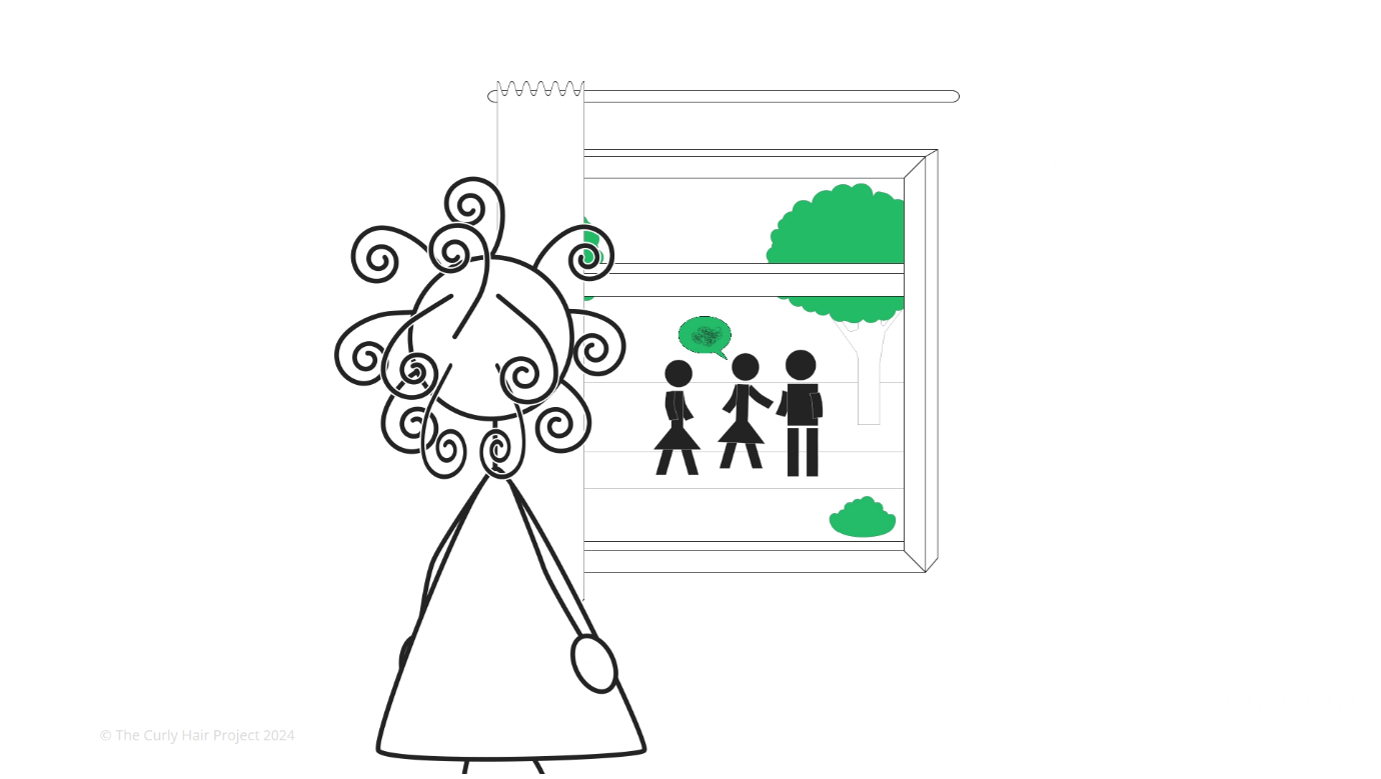
The child doesn’t like spending time with their friends
Autistic children often need far more time alone than other non-autistic children. They may have a reluctant reaction to spending time with other children, such as after school or during school holidays.
Even if they have a friend, they might still prefer to spend time alone, participating in their hobbies, rather than socialising.
This preference can cause others to feel they are being ‘difficult’.
The child feels overwhelmed by life
Many usual day-to-day experiences, such as going to school, the playground, shopping or seeing friends, can be overwhelming for an autistic child. Because of their autism, they may not have enough physical or mental energy to be able to cope with these things.
Others may misunderstand them and not realise how important it is that the have plenty of time alone and rest. Encouraging them to ‘do too much’ without enough downtime can lead to challenging behaviour.
If your child sounds similar to these descriptions, they could be autistic.
Find out more about autism in our resources: