One of the most common experiences experienced by those on the autism spectrum is that they feel anxious around people. They may have physical symptoms, such as trembling, a fast heart rate or sweating.
Anxiety around others is known as social anxiety. Many autistic people experience social anxiety.
The interesting thing is that social anxiety experienced by autistic people can be quite different from social anxiety experienced by non-autistic (neurotypical) people.
In fact, if you’ve read about social anxiety in neurotypical people before, you might think that it sort of ‘fits’ how you feel, but doesn’t exactly.
Neurotypical people may have socially anxious thoughts such as:
- “I’m such a failure at socialising”
- “I’ll make a fool out of myself”
- “They’re all laughing at me”
- “They’ll think I’m stupid”
- “My voice will start shaking and I’ll humiliate myself”
- “I’m so boring”
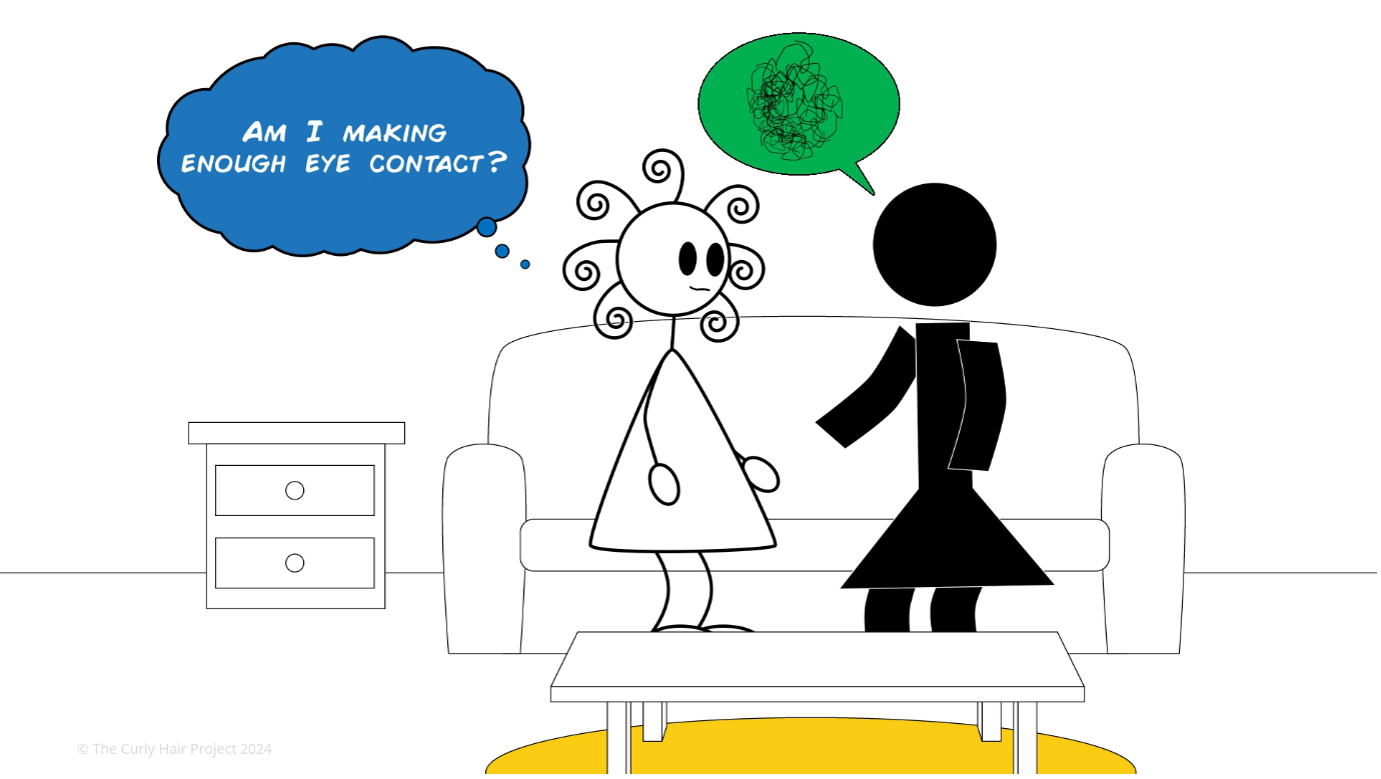
Autistic people may have socially anxious thoughts such as:
- “Am I using the right tone of voice?”
- “Am I making enough eye contact?”
- “Are they being serious, or are they joking?”
- “What did they mean when they said…?”
- “When is the right time for me to say “hello” or “goodbye?”
- “What is the best way for me to say what I want to say?”
- “Why do I feel so different from everyone else?”
If you have socially anxious thoughts more similar to the points in the second list, you could consider that you might be on the autism spectrum.
People with autism often have social anxiety because they have such trouble navigating social situations rather than because they are thinking catastrophic or ‘negative automatic’ thoughts.
If this sounds like you, discover more about autism and social anxiety in our resources: