‘Bad behaviour’ in autistic children is often caused by intense anxiety, sensory processing challenges or other issues, rather than them being deliberately naughty or disobedient.
But it can be hard to tell that a child is autistic. This means that their difficulties may be overlooked and misunderstood. Some common causes of ‘bad behaviour’ in autistic children include:
Childrens Bad Behaviour & Anxiety
Autistic children are often highly anxious. They can feel anxious about common, everyday occurrences, such as speaking up in lessons, meeting up with friends, travelling on the bus or a last-minute change of schedule.
When an autistic child is anxious, they can exhibit what – on the surface – looks like ‘bad behaviour’. Underneath, however, they are probably feeling very scared and are struggling to communicate their feelings.
Childrens Bad Behaviour & Sensory Processing Issues
Autistic children may suffer with sensory processing challenges. Commonly, they might be over-sensitive (hyper-sensitive) to sensations such as noise, smell, touch and light.
When a child is hyper-sensitive to sensations, they may feel overwhelmed. Some sensations may also be physically painful for them. Because they are feeling so uncomfortable, they might ‘behave badly.’
Childrens Bad Behaviour & Not having enough time on their own
Autistic children often need a large amount of time on their own. The typical school day for example may be too much for them to cope with in terms of social interaction and stimulation. There is not enough peace and quiet for them.
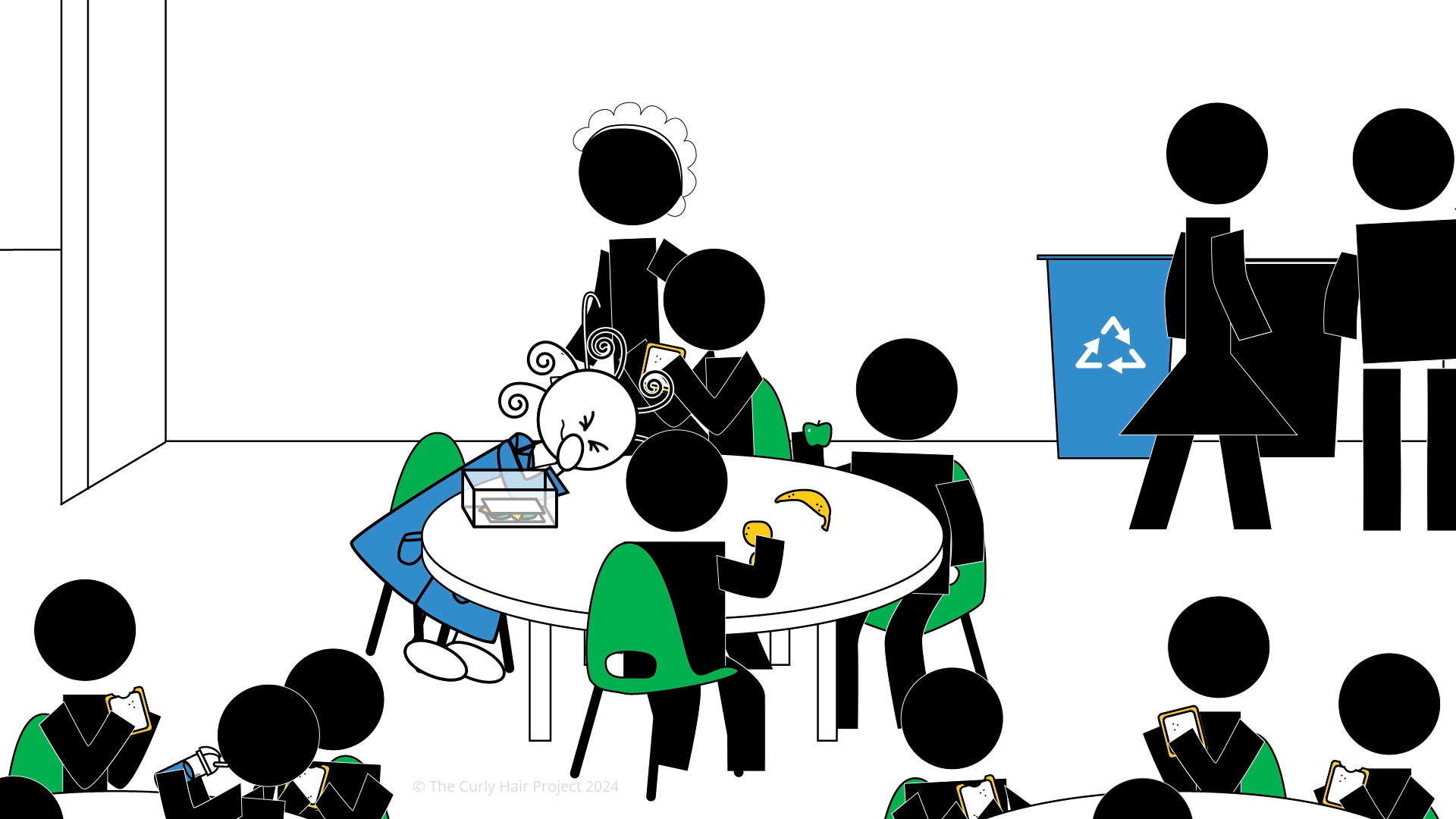
If an autistic child does not get enough time alone, they may have an ‘autism meltdown’, which can often be mistaken for a tantrum or ‘bad behaviour.’
Lack of structure, routine and last-minute changes of plan
Autistic children benefit from routine and structure in their daily life. They often like things to be the same and to be predictable. Routine and structure give them confidence to cope with daily life.
A change in routine can make an autistic child feel very stressed. In particular, last-minute changes of plan can be very stressful for autistic children. It might seem as if they are ‘behaving badly’ when really they are struggling to cope with the suddenness of the change.
If you recognise any of these difficulties in your child, you could consider the possibility that they may be autistic.
One of the benefits of realising they might be autistic is that it can help you to see the true underlying reasons for their ‘bad behaviour’, and together, you can put strategies in place to better support all members of the family.
If you’re interested in learning more about autism, have a look at our resources: